Wheels Museum is a 501(c)3 organization in the Albuquerque Rail Yards dedicated to collecting, preserving, and creating educational exhibits about the history of transportation in Albuquerque and New Mexico with emphasis on the impact on the development of the area. Our collections embrace the history of the railroads, the impact of the rail yards on Albuquerque, as well as automobiles, horse and wagon, and other modes of transportation.
Wheels Museum is open Monday – Thursday from 9 am to 12 pm and on Saturday from 10 am to 2 pm. Note: As museum hours are subject to change without notification and may be different during special events, please call (505) 243-6269 prior to your visit.
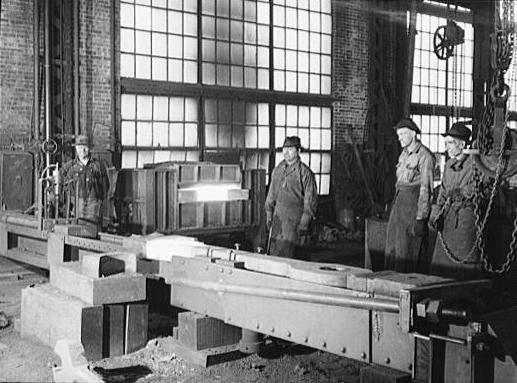
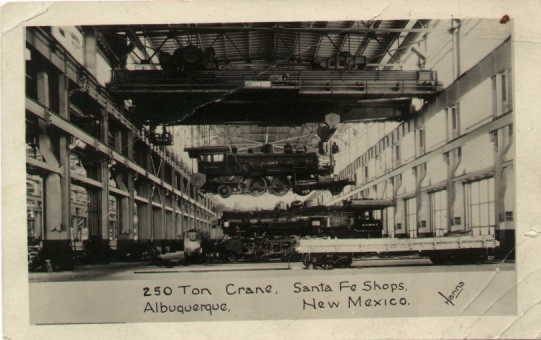
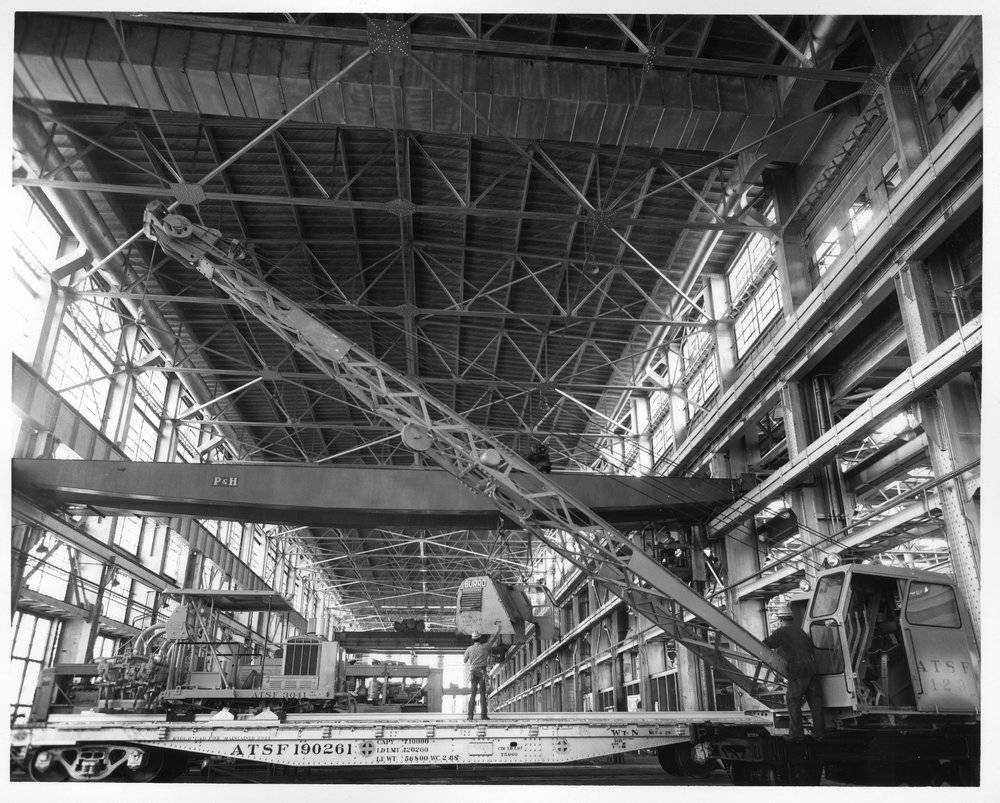
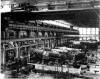
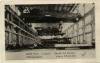
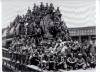
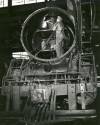
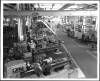
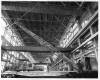
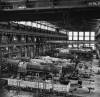
Wheels Museum is located on the site of the historic Santa Fe Railroad Shops in downtown Albuquerque, New Mexico. Built-in 1914, the Albuquerque shops serviced steam locomotives operating on the Santa Fe Railroad.
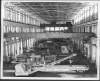
Wheels Museum is currently housed in what the Santa Fe Railyards once referred to as The Storehouse, a long and narrow structure built in 1914, in which was kept an enormous inventory of all manner of parts and supplies for the larger maintenance shops and the entire Santa Fe railroad system in general. Please call (505) 243-6269 or e-mail: info@wheelsmuseum.org for more information.
Wheels Museum
DonateWheels Museum does not and shall not discriminate on the basis of race, sex, color, religion (creed), gender, gender expression, age, national origin (ancestry), disability, marital status, sexual orientation, or military status, in any of its activities or operations. These activities include, but are not limited to, hiring and firing of staff, selection of volunteers and vendors, and provision of services. We are committed to providing an inclusive and welcoming environment for all members of our staff, clients, volunteers, subcontractors, vendors, and clients.












The Rebby’s of Chesapeake, Va. and the Kopel’s of Rio Rancho, NM, visited the Wheels Museum on Oct. 10, 2023 just as the museum was about to close. We met Mr. Hendryk (Chief Engineer??) in the parking lot and he said “No problem, I”ll open up”. He gave the four of us the most delightful and impressively informative tour of the entire museum. This was “capped” off when Hendryk donned his engineer’s cap and gave us a ride on the Museum’s miniature train.
At the end of the train ride, Hendryk and I found out we were both from Brooklyn, NY which was a definite plus!
The final highlight was when Kathy and Rick Kopel were able to purchase a gorgeous Pueblo themed vase from the Silent Auction table.
The Wheels Museum is a superior gem amongst all the attractions Albuquerque has to offer. Thanks for a great and memorable visit and special kudos to Hendryk for making the visit exceptional.
Marilyn & Ray Rebby Chesapeake, Va.