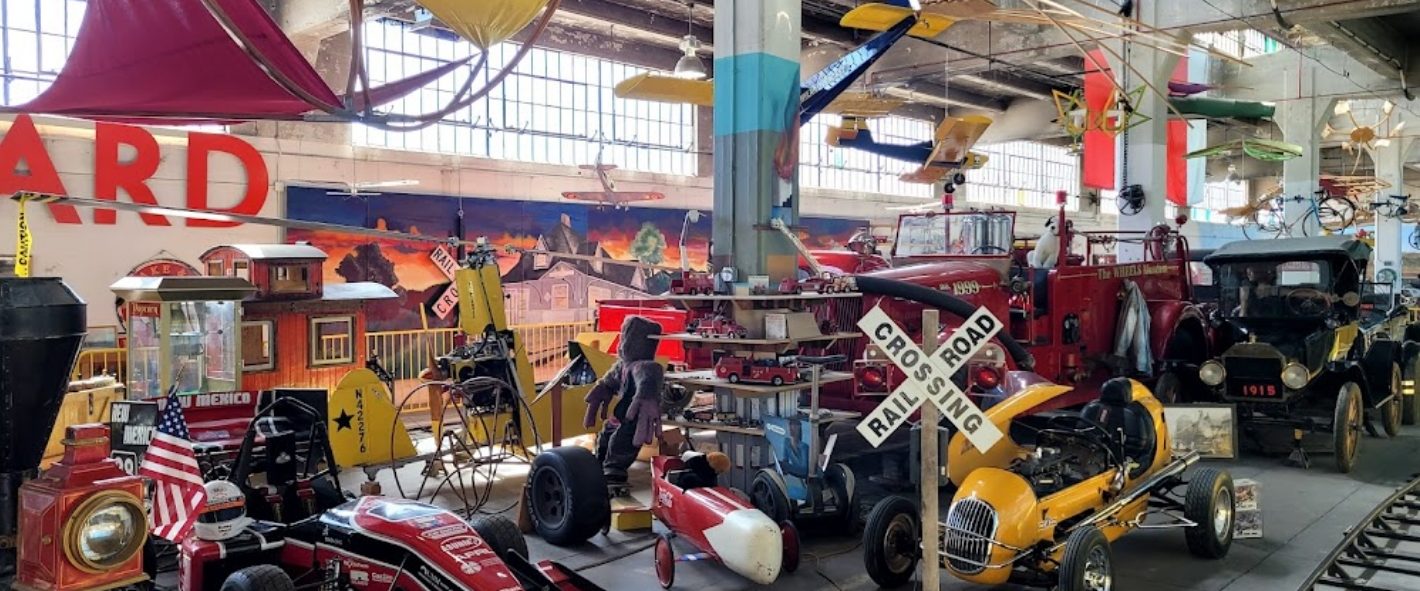
WHEELS Museum is a nonprofit organization in the Albuquerque Rail Yards dedicated to collecting, preserving, and creating educational exhibits about the history of transportation in Albuquerque and New Mexico with emphasis on the impact on the development of the area. Our collections embrace the history of the railroads, the impact of the rail yards on Albuquerque, as well as automobiles, horse and wagon, and other modes of transportation.
WHEELS Museum is open Monday – Thursday from 9 am to 12 pm and on Saturday and Sunday from 10 am to 2 pm.
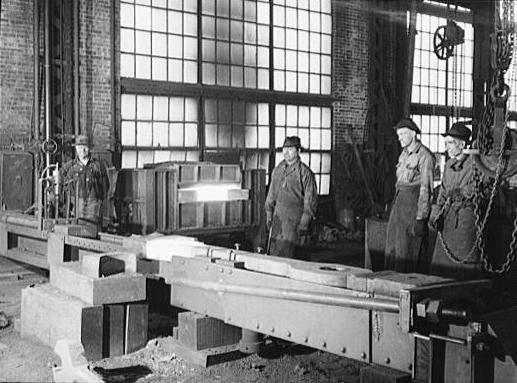
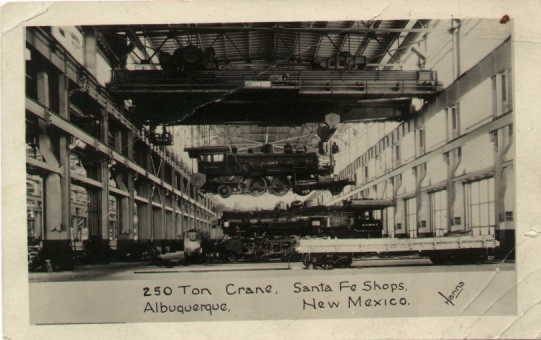
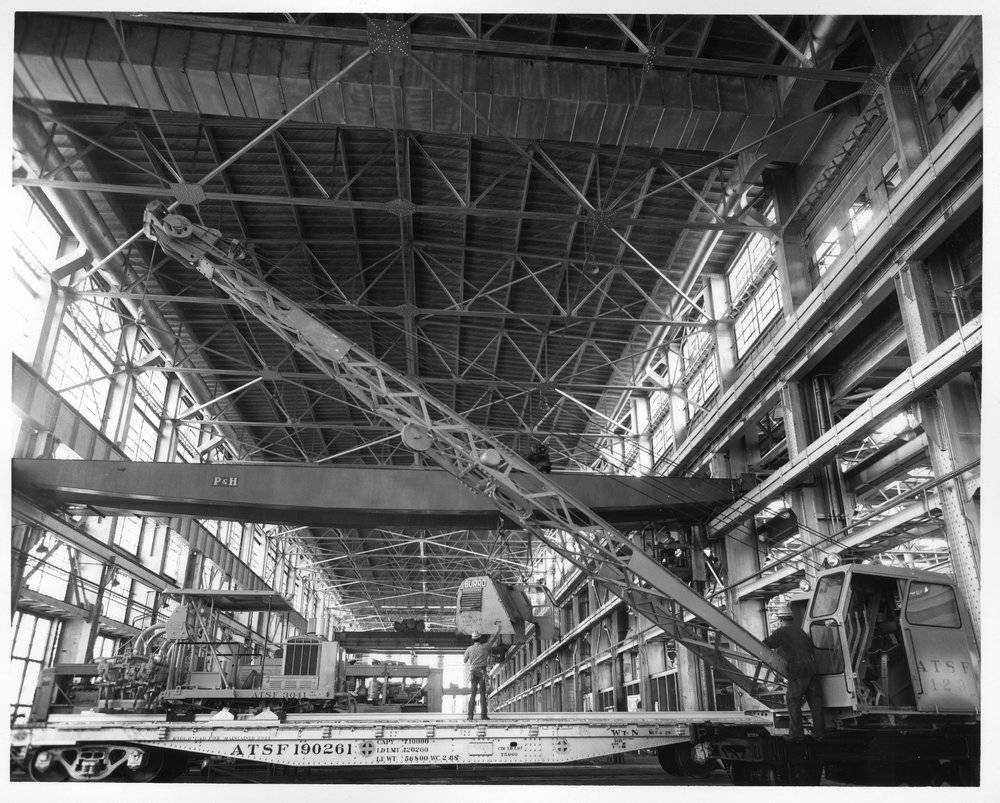
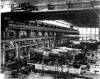
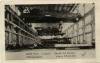
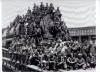
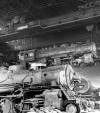
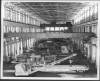
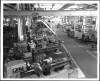
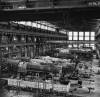
WHEELS Museum is located on the site of the historic Santa Fe Railroad Shops in downtown Albuquerque, New Mexico. Built-in 1914, the Albuquerque shops serviced steam locomotives operating on the Santa Fe Railroad.
WHEELS Museum is currently housed in what the Santa Fe Railyards once referred to as The Storehouse, a long and narrow structure built in 1914, in which was kept an enormous inventory of all manner of parts and supplies for the larger maintenance shops and the entire Santa Fe railroad system in general. Please call (505) 243-6269 or e-mail: info@wheelsmuseum.org for more information.
WHEELS Museum does not and shall not discriminate on the basis of race, sex, color, religion (creed), gender, gender expression, age, national origin (ancestry), disability, marital status, sexual orientation, or military status, in any of its activities or operations. These activities include, but are not limited to, hiring and firing of staff, selection of volunteers and vendors, and provision of services. We are committed to providing an inclusive and welcoming environment for all members of our staff, clients, volunteers, subcontractors, vendors, and clients.













What a fantastic place! The staff are wonderful, helpful, friendly, and the atmosphere is inviting.
It’s a great place for children! They can ride a train, sit in a race car and press buttons, crank the siren on a fire truck, watch the many running model trains, and play with many toys.
What a hidden gem! It’s free and the volunteers do a fantastic job of keeping things running and answering questions, as well as interacting with guests.
Please consider a donation if you’re able.
It’s so fun I love the little library, and my kids love how everything is so detailed. The train ride and eye spy is so memorable. Thanks guys
I took my three daughters aged 9-15 and they really enjoyed the museum. It is definitely unique and has something for everyone.
Took my toddler and he loved it. Staff is very nice. We weren’t the only ones there, but it felt like we were. There’s no fee to get in, but I recommend donating. The staff seems very passionate and very eager to answer any questions. We plan on going again soon.
We took our grandkids, 5&2, for a visit. WOW! The staff is terrific! There is something for everyone. It was a pleasure to watch the fascination in their eyes. It was enlightening to learn more about the history of transportation.