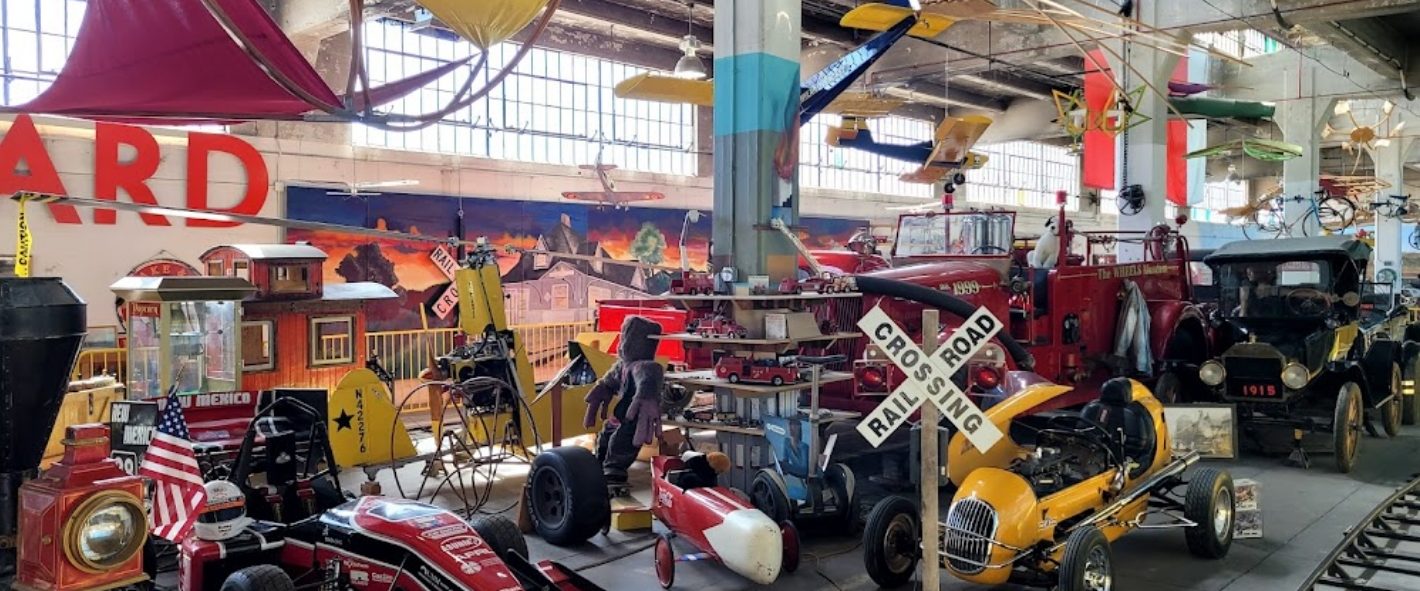
WHEELS Museum is a nonprofit organization in the Albuquerque Rail Yards dedicated to collecting, preserving, and creating educational exhibits about the history of transportation in Albuquerque and New Mexico with emphasis on the impact on the development of the area. Our collections embrace the history of the railroads, the impact of the rail yards on Albuquerque, as well as automobiles, horse and wagon, and other modes of transportation.
WHEELS Museum is open Monday – Thursday from 9 am to 12 pm and on Saturday and Sunday from 10 am to 2 pm.
WHEELS Museum is located on the site of the historic Santa Fe Railroad Shops in downtown Albuquerque, New Mexico. Built-in 1914, the Albuquerque shops serviced steam locomotives operating on the Santa Fe Railroad.
WHEELS Museum is currently housed in what the Santa Fe Railyards once referred to as The Storehouse, a long and narrow structure built in 1914, in which was kept an enormous inventory of all manner of parts and supplies for the larger maintenance shops and the entire Santa Fe railroad system in general. Please call (505) 243-6269 or e-mail: info@wheelsmuseum.org for more information.
WHEELS Museum does not and shall not discriminate on the basis of race, sex, color, religion (creed), gender, gender expression, age, national origin (ancestry), disability, marital status, sexual orientation, or military status, in any of its activities or operations. These activities include, but are not limited to, hiring and firing of staff, selection of volunteers and vendors, and provision of services. We are committed to providing an inclusive and welcoming environment for all members of our staff, clients, volunteers, subcontractors, vendors, and clients.


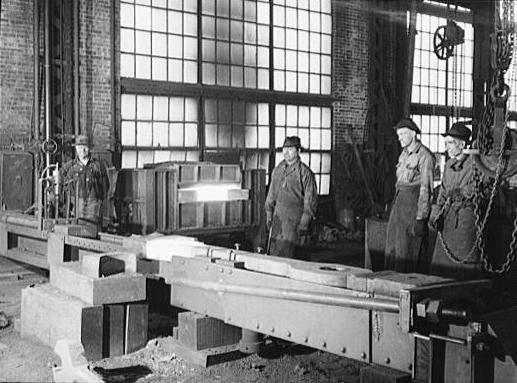


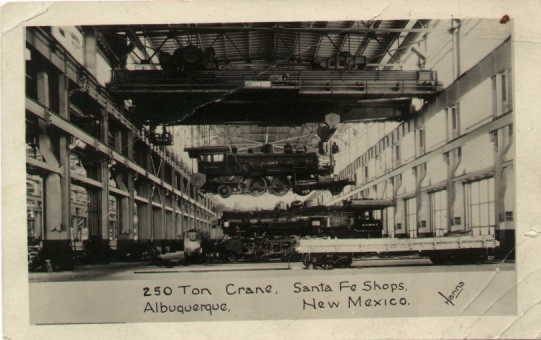


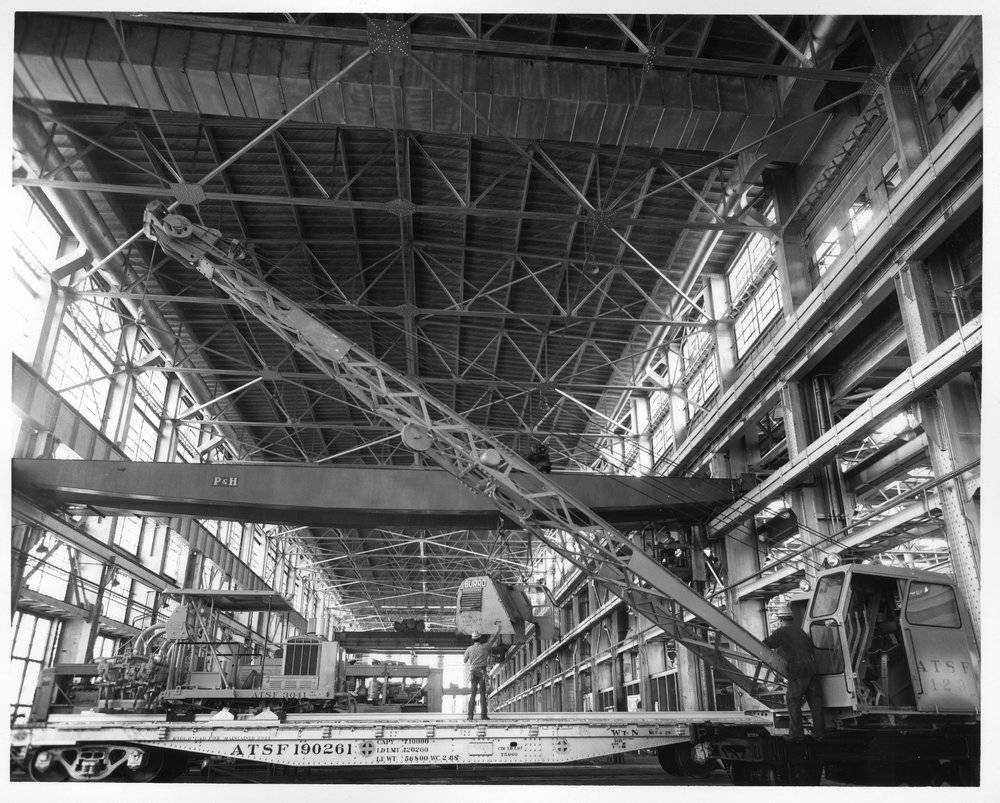

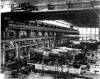

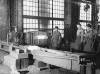
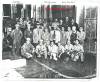

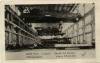
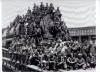

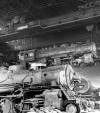
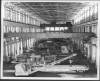
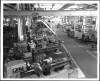

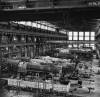


- Santa Fe Railroad Shops Are Big Factor in Citg’s BusinessAlbuquerque ProgressBusiness News of Our City and VicinityFebruary, 1948 Probably the nearest approach to a large industrial payroll in this non-industrial city is the $252,000.00 paid monthly to the 995 employees of the Santa Fe Railroad Shops. The Roundhouse employs…
- Route 66 New Mexico MagazineTrains, planes, automobiles, tractors, bicycles, a Segway and much more.By Gary Herron The 21,000-square-foot WHEELS Museum is at 1100 2nd SW, just 0.7 mile south of Central Avenue, Railroad Avenue originally, or Route 66, and 2.2 miles south of what…
- New Mexico Route 66 Centennial Speaker SeriesMonthly historical lecture series for Route 66 Centennial in 2026 in and near Albuquerque, New Mexico, USA. Sponsored by Albuquerque Historical Society, East Mountain Historical Society, Historic Albuquerque, Inc., Los Ranchos Historical Society. Support from City of Albuquerque, City of Rio Rancho, and Bernalillo County. All events…