Rail Yard Plan Under Fire

By Mike Gallagher

Albuquerque Journal

Sunday July 20, 2003

Long before Albuquerque had Kirtland Air Force Base and Sandia National Laboratories, it had the railroad.

In fact, the railroad put the Duke City on the commercial map in the late 1880s when the Santa Fe chose Albuquerque over Bernalillo for a major yard and shop operation.

Fast forward to the year 2000.

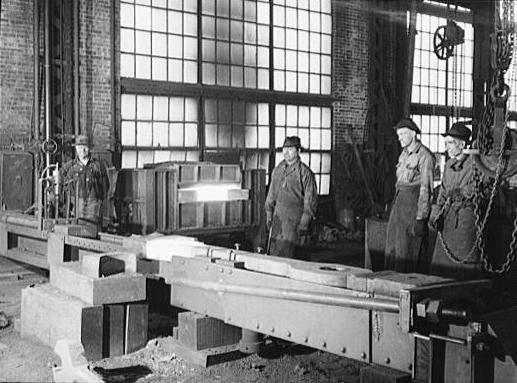
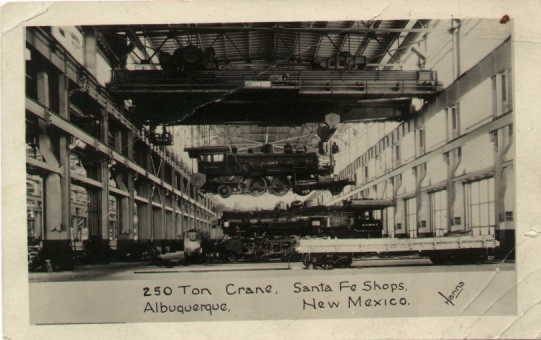
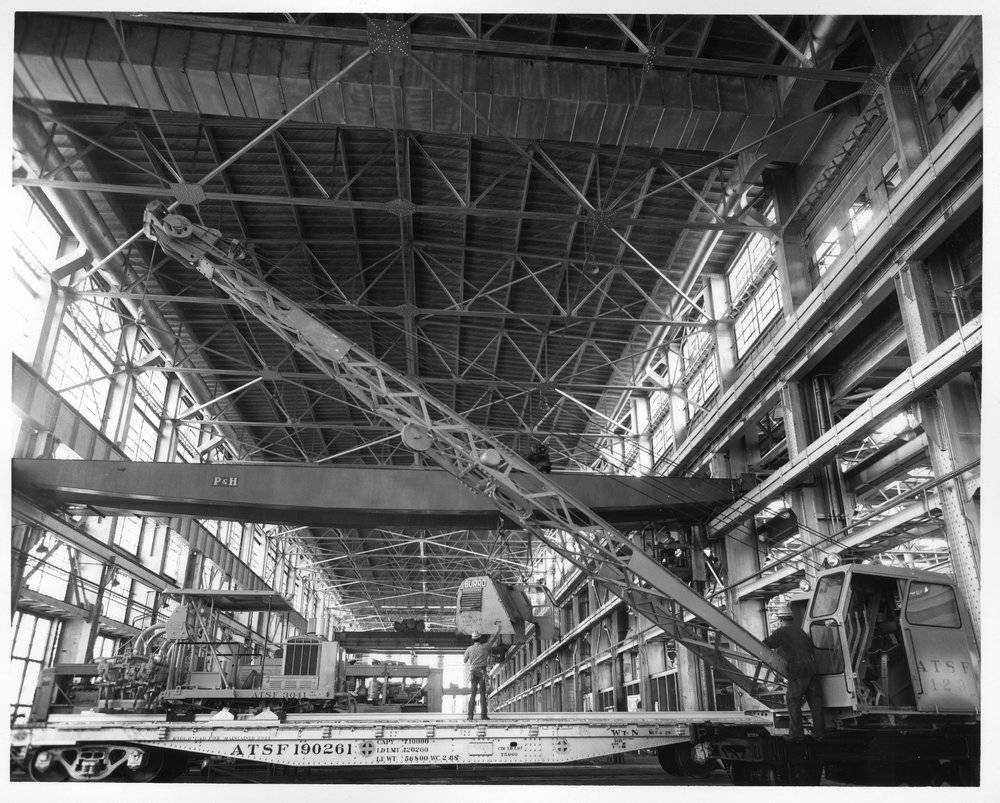
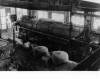
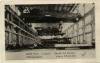
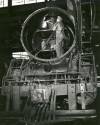
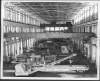
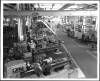
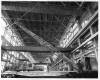
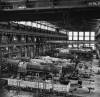
The glory days of railroads and their lock on transcontinental transportation had come and gone. The huge complex of railway shops built between 1905 and 1920 east of the Barelas neighborhood had long been abandoned — never again used after the diesel replaced steam engines.

The Burlington Northern and Santa Fe Railway was on the verge of selling the site to a Dallas developer who planned to tear down the massive shops to make way for residential.

Enter Leba Freed and her volunteers, who launched a determined campaign to save the buildings and put a Wheels Museum on the site.

Under pressure from the state's congressional delegation, the BNSF agreed to sell the site for $2.5 million to a group Freed put together. A nonprofit redevelopment company Freed had founded earlier, the Urban Council of Albuquerque Inc., took title to the site in November 2000.

But the euphoria was short-lived.

Today, the project is deeply in debt and marked by bitter infighting between Freed's allies and a rival faction that now controls the Urban Council. The chief financial backers are in negotiations to sell their financial position to an Ohio developer.

There is deep disagreement about what should be done with the site: The Urban Council is pushing a $260 million expo center, which Wheels Museum officials say is a grandiose scheme doomed to fail.

Also, questions have been raised about financial dealings, lack of disclosure and potential conflict of interest. Lawyers have been consulted and a demand letter sent.

Meanwhile, members of the Wheels Museum group, including Freed, have been forced off the Urban Council Board. They say their cherished museum — which would celebrate Route 66, trains, cars and planes — is no longer welcome on the site.

"It was a broad daylight carjacking," Wheels executive director Alan Clark said in a recent interview. "They took our project away."

Mayor Martin Chαvez credits Freed with saving the buildings.

"Leba got off her backside and made the phone calls," he said. "Got Sen. Domenici involved. Started calling the railroad."

Freed's group did more than talk. It raised half a million dollars in public money and private donations to help make the deal happen. A group of underwriters from Albuquerque and Los Alamos guaranteed the financing.

Wheels officials say they were used for their political clout and their money, and then their project was forced out of the planned development.

Ron Ashcraft, at one time a director of Wheels and now a member of the Urban Council board of directors, said his group is still amenable to working out a solution. "We've always been willing to work with Wheels," he said.

But he acknowledges the split.

"As we got into the project, two different visions developed and the majority of the board decided to go forward with our current plan."

Albuquerque Station
The Urban Council has big plans for the old rail yard — including a 240,000-square-foot exposition center "of international caliber" that would compete with convention centers in Phoenix, San Diego and San Antonio, Texas.

The project — dubbed Albuquerque Station — would include two hotels with 1,100 rooms and more than 50,000 square feet of retail and restaurant space.

Urban Council officials compare their plans to the San Antonio River Walk and Chicago's Navy Pier.

The price: $260 million.

The project would celebrate the site's historical connection to the railroads, using the 12 buildings on the 27-acre site. The council wants to house the exposition center in the two large shop buildings. Other old buildings, like the fire station, would be part of the historic village theme and would be home to retail stores or restaurants.

The plans call for a new, $5 million station for Amtrak, moving it from a city-owned facility — among the most controversial aspects of the project.

The Urban Council also proposes developing commuter trains using existing tracks to link Albuquerque to Santa Fe and other towns.

As envisioned, the development would expand outside the 27-acre tract — to the north, south and east for one of the hotels, plus parking and residential housing.

Ashcraft said private investors — including individual underwriters and/or Urban Council board members — would buy property east of the tracks.

Wheels Museum board members say the Urban Council is pushing expansion to help its board members, underwriters and their relatives profit by investing in surrounding properties.

Ashcraft said the project needs the extra space and that additional investment by underwriters and others in surrounding property was important to the project's success.

Project director Franklin Conaway said the site would have one developer, but different investors for different projects.

"Restaurants may have different investors than a hotel," Conaway said.

The Wheels faction says there are many options for developing the site, including residential, retail and light industrial. They say any development should be done in phases, that the 27-acre site is big enough and that their museum should be in one of the old shop buildings.

Clark and Wheels board member Joe Craig said that in two years of requests, the Urban Council would never give them a commitment to a site for their museum.

Ashcraft and Conaway said there was room for the Wheels Museum on the site, but not in any of the historic buildings.

The design concept currently in use places the museum under Coal Boulevard SW on a combination of city-owned land and railroad property that has not been acquired by the Urban Council.

The public split follows two years of behind-the-scenes fighting and a failed mediation.

The divisions are deep and have bubbled to the surface at the same time underwriters of the Urban Council's $2.5 million mortgage on the property are negotiating the sale of their position with Ohio developer Rick Moran.

Conaway says, in general terms, that Moran would assume the loan and purchase the underwriters' equity. The total price under discussion is around $3.5 million.

The Wheels faction tried to cut a deal with the underwriters in March. They approached lead underwriter Ted Waterman, president of Waterman Inc., about buying out the underwriters but were rebuffed.

Now, they are preparing another offer in case the current negotiations break down.

Waterman did not return calls seeking comment.

Meanwhile, Ashcraft said he was concerned about any media coverage at this time because of the negotiations.

Unanswered questions
Craig and Clark claim Conaway and the Urban Council strung the Wheels Museum along in order to get the museum to pay the bills.

"We were never able to get specific answers from Conaway to a host of questions," Clark said.

Within a year of closing the deal to acquire the property and save the buildings, Clark, Craig and Freed were voted off the Urban Council board of directors.

They say the move was in retaliation for raising questions about how Conaway — an Ohio consultant and a friend of Ashcraft and board member John Bond — was running the show.

In interviews, they said those questions have yet to be answered. They include:

 >> more